The Pembroke Welsh Corgi is a beloved breed known for its distinctive short legs, expressive face, and energetic personality. Often referred to as the "Queen's Corgis" due to their close association with the British monarchy, particularly Queen Elizabeth II, Corgis have earned a special place in the hearts of dog lovers around the world. Despite their small size, they are known for their remarkable agility, intelligence, and herding instinct, making them both charming companions and capable workers. In this comprehensive guide, we will delve into the history, physical traits, temperament, care, training, and health considerations of the Pembroke Welsh Corgi.
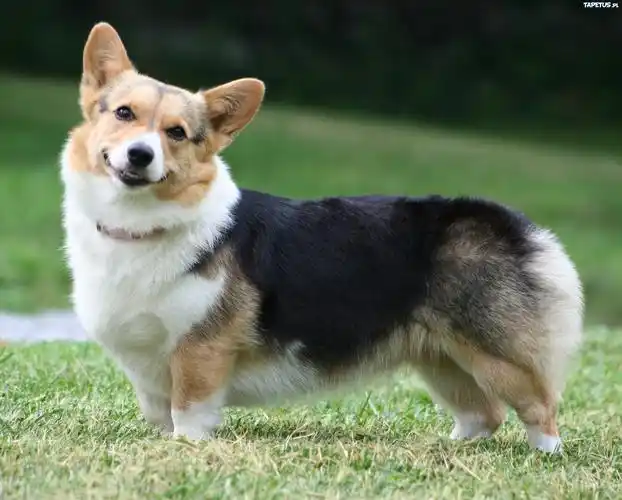 History of the Pembroke Welsh Corgi The Pembroke Welsh Corgi's origins are deeply
rooted in Welsh history, particularly in the country of Wales in the United Kingdom.
The breed is believed to have been brought to Wales by Flemish weavers during the 10th
century. These early Corgis were used as herding dogs, tasked with rounding up cattle,
sheep, and other livestock. Their low stature allowed them to nip at the heels of
cattle while avoiding the animals' kicks, and their sturdy build made them well-suited
to the demanding physical tasks of herding
History of the Pembroke Welsh Corgi The Pembroke Welsh Corgi's origins are deeply
rooted in Welsh history, particularly in the country of Wales in the United Kingdom.
The breed is believed to have been brought to Wales by Flemish weavers during the 10th
century. These early Corgis were used as herding dogs, tasked with rounding up cattle,
sheep, and other livestock. Their low stature allowed them to nip at the heels of
cattle while avoiding the animals' kicks, and their sturdy build made them well-suited
to the demanding physical tasks of herdingOver time, the Pembroke Welsh Corgi became closely associated with Welsh farmers, who appreciated the dog’s work ethic and intelligence. The Corgis were versatile, excelling not only at herding but also at guarding homes and farms. The breed was so closely entwined with Welsh culture that it is often regarded as one of Wales' national symbols
The modern Pembroke Welsh Corgi we know today was shaped by careful selective breeding. It is thought that the breed was originally crossbred with Cardigan Welsh Corgis, which were introduced from other parts of Europe, including the Nordic countries. The main difference between the two Corgi breeds lies in their coat color and ear shape, with the Pembroke Welsh Corgi typically having shorter, pointy ears and a smaller frame compared to the Cardigan Welsh Corgi
The Pembroke Welsh Corgi gained further prominence when it became the favorite breed of Queen Elizabeth II. She received her first Corgi, named Dookie, at the age of 7, and it sparked a lifelong affection for the breed. Over the years, she owned more than 30 Corgis, and their presence at the royal palace helped cement the breed's place in popular culture
Physical Characteristics of the Pembroke Welsh Corgi The Pembroke Welsh Corgi is a small yet sturdy dog with a distinct appearance. Their body is low to the ground, with short legs and a long torso, giving them a somewhat elongated look. Despite their compact stature, these dogs are surprisingly agile and energetic. Let's take a closer look at the physical traits that define the Pembroke Welsh Corgi
Size and Weight The Pembroke Welsh Corgi is classified as a small breed. Adult males and females typically weigh between 25 to 30 pounds (11 to 14 kg), with males being slightly larger than females. The height of a Pembroke Welsh Corgi stands between 10 to 12 inches (25 to 30 cm) at the shoulder, making them an ideal size for both apartment living and active outdoor lifestyles
Coat and Colors The Corgi’s coat is one of its most striking features. It is thick and double-layered, consisting of a dense undercoat and a coarser outer coat. The fur is weather-resistant, which was essential for the Corgi’s original role as a herding dog in the harsh Welsh climate. The coat is relatively short, but it sheds year-round, especially during seasonal changes. Regular brushing is necessary to manage shedding and keep the Corgi’s coat looking its best
As for colors, Pembroke Welsh Corgis come in a variety of hues. The breed’s coat colors include red, sable, fawn, black and tan, or a combination of these. Corgis often have a characteristic white patch on their chest, legs, and underbelly, though the pattern can vary between individuals
Tail One of the most notable physical traits of the Pembroke Welsh Corgi is its tail. Unlike the Cardigan Welsh Corgi, which has a long, bushy tail, the Pembroke Welsh Corgi traditionally has a short, docked tail. The tail is often cropped shortly after birth, although in some countries, tail docking is now illegal. In regions where docking is banned, Corgis are born with naturally short tails
Ears and Face The ears of a Pembroke Welsh Corgi are one of the breed's most endearing features. They are upright, triangular, and slightly rounded at the tips. The Corgi's face is expressive, with large, dark eyes that give the breed an alert and inquisitive look. Their muzzle is short, and they have a broad, square-shaped nose
While the Corgi’s short stature and playful face are part of its charm, it is also known for being extremely alert and quick-thinking. This intelligent expression is a hallmark of the breed, reflecting its herding background and strong work ethic
Temperament and Personality of the Pembroke Welsh Corgi Despite their diminutive size, the Pembroke Welsh Corgi has a personality that matches its heritage as a working dog. Corgis are known for being confident, intelligent, and lively. They are also loyal and affectionate companions who thrive on interaction with their human families
Friendly and Affectionate Pembroke Welsh Corgis are friendly and social dogs that enjoy being around people. They are affectionate with their families, often forming strong bonds with their owners. While they are known to be good with children, their herding instinct means that they may occasionally try to herd smaller children, which can be amusing but may need to be corrected through training. Corgis are generally friendly with strangers as well, though they may initially be cautious or reserved
Energetic and Playful Corgis are highly energetic dogs that require regular physical activity. Despite their small size, they have a lot of stamina and enjoy running, playing, and engaging in activities that stimulate their minds. Daily walks, play sessions, and puzzle toys are essential for keeping a Pembroke Welsh Corgi happy and mentally engaged. Corgis are also known for their love of play, often engaging in games like fetch, tug-of-war, and even agility courses
Intelligent and Trainable Pembroke Welsh Corgis are highly intelligent dogs that learn quickly. They are eager to please their owners, which makes training relatively easy. However, their strong independent streak and natural herding instinct can sometimes make them stubborn. Consistent, positive reinforcement is key to training a Corgi, as they respond best to rewards and praise. Corgis are known to excel in obedience and agility competitions due to their sharp minds and willingness to work
Herding Instincts As descendants of herding dogs, Pembroke Welsh Corgis have a strong herding instinct, and they may try to herd children, other pets, or even adults. This can manifest as nipping at heels, chasing, or trying to corral the people or animals around them. While this behavior is natural, it is important to provide them with an outlet for their herding instincts through training and activities like agility or herding exercises
Good with Other Pets Corgis generally get along well with other pets, especially if they are socialized properly from a young age. While they may have a tendency to herd smaller animals like cats, they are typically not aggressive toward them. They are also good with other dogs and can be quite playful with them. However, like all breeds, early socialization is crucial to ensuring a well-behaved dog
Care and Grooming of the Pembroke Welsh Corgi While the Pembroke Welsh Corgi is relatively low-maintenance in terms of grooming, they do have some specific care needs. Regular grooming and attention to their health can help ensure that they remain happy and healthy throughout their lives
Coat Care The double coat of the Pembroke Welsh Corgi sheds moderately year-round, with heavier shedding occurring during the change of seasons. Regular brushing is necessary to keep the coat healthy and to manage shedding. Brushing at least once a week will help remove loose hair and prevent matting. During shedding season, it may be necessary to brush more frequently
Bathing should be done on an as-needed basis. Over-bathing can strip the natural oils from a dog’s skin, so only bathe your Corgi when they become particularly dirty or smelly. Use a mild dog shampoo to avoid skin irritation
Nail Trimming and Ear Cleaning Like all dogs, Pembroke Welsh Corgis require regular nail trimming to prevent overgrowth and discomfort. Trim their nails every few weeks, or as needed, depending on how quickly they grow. Regular ear cleaning is also essential, as Corgis are prone to ear infections. Wipe their ears with a damp cloth or cotton ball to remove dirt and debris, especially after outdoor activities
Dental Care Dental hygiene is important for Corgis, as small breeds are prone to dental problems. Brush your Corgi's teeth regularly with a dog-safe toothbrush and toothpaste to prevent plaque buildup and reduce the risk of gum disease. Dental chews and toys can also help keep their teeth clean and healthy
Health Considerations of the Pembroke Welsh Corgi While Pembroke Welsh Corgis are generally healthy dogs, they can be prone to certain health conditions. Responsible breeding practices have minimized many of these risks, but it is important for owners to be aware of the potential health issues that may affect the breed
Hip Dysplasia Like many small breeds, Pembroke Welsh Corgis are susceptible to hip dysplasia, a genetic condition where the hip joint doesn’t develop properly. This can lead to arthritis and pain in the hips, eventually causing mobility problems. Regular vet check-ups, a balanced diet, and maintaining a healthy weight can help reduce the risk of developing hip dysplasia
Intervertebral Disc Disease (IVDD) Due to their long bodies and short legs, Pembroke Welsh Corgis are at a higher risk for developing intervertebral disc disease (IVDD). This condition occurs when the discs in the spine degenerate and press on the spinal cord, causing pain and, in severe cases, paralysis. It is important to avoid activities that strain the spine, such as jumping from high places or overexertion
Eye Conditions Corgis can be prone to certain eye conditions, such as progressive retinal atrophy (PRA), which is a degenerative eye disorder that can lead to blindness. Regular veterinary eye exams are important for early detection of any potential issues
Obesity As with any breed, maintaining a healthy weight is crucial for the Pembroke Welsh Corgi. Their small frame and energetic nature mean that they are susceptible to obesity if not properly exercised and fed a balanced diet. Make sure your Corgi gets regular exercise and monitor their diet to ensure they stay fit and healthy
Training the Pembroke Welsh Corgi Training a Pembroke Welsh Corgi is a rewarding experience, as they are intelligent and eager to please. However, they can also be stubborn and independent, so consistent and positive reinforcement is key to successful training. Here are some tips for training your Corgi: Socialization Early socialization is crucial for a well-adjusted dog. Expose your Corgi to different environments, people, and animals from a young age to help them develop good manners and confidence
Basic Commands Start with basic commands like “sit,” “stay,” and “come.” Corgis are quick learners, but keep training sessions short and fun to maintain their interest. Use treats, toys, and praise as rewards
Potty Training Potty training a Corgi is relatively straightforward, but consistency is important. Take your Corgi outside frequently, especially after eating, drinking, or playing. Positive reinforcement will help reinforce good behavior.